If you’ve ever booked a sea freight shipment, chances are you’ve come across the term FOB (Free On Board). It’s one of the most commonly used Incoterms in international trade—but it’s also one of the most misunderstood.
Whether you’re an importer looking for control or an exporter wanting a clear handoff, FOB offers a balanced responsibility split—but only if you use it correctly.
Let’s break it down.
What Does FOB Mean?
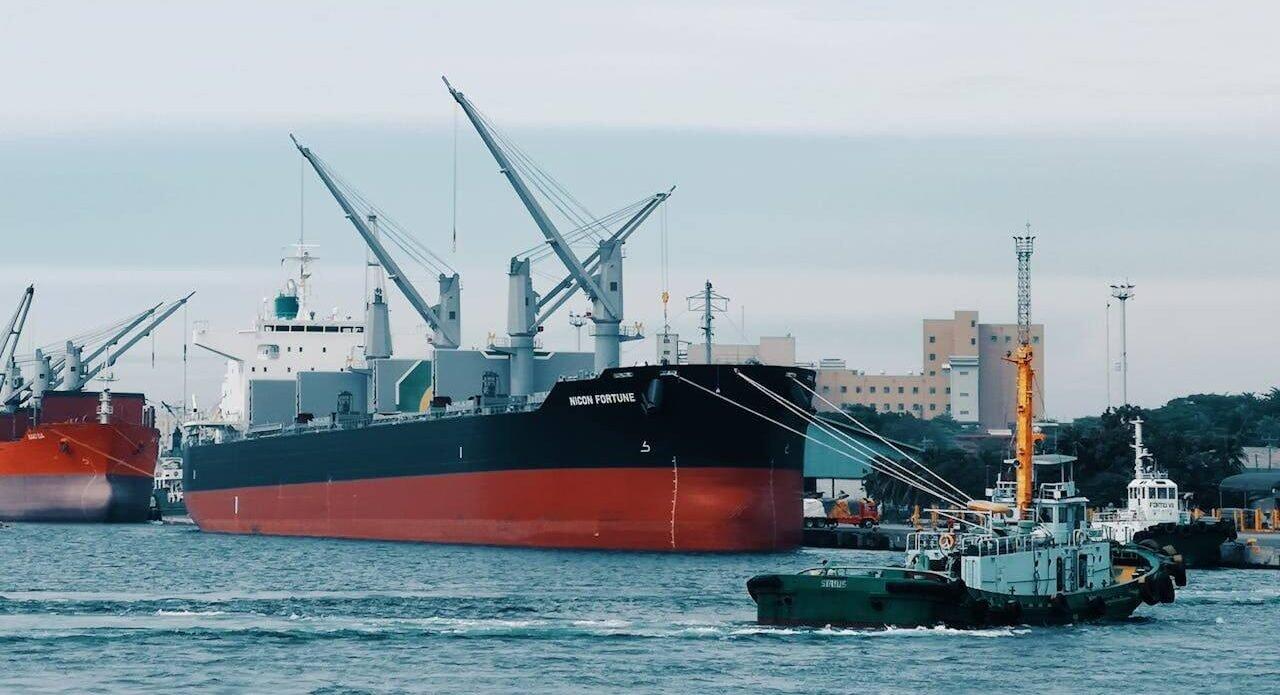
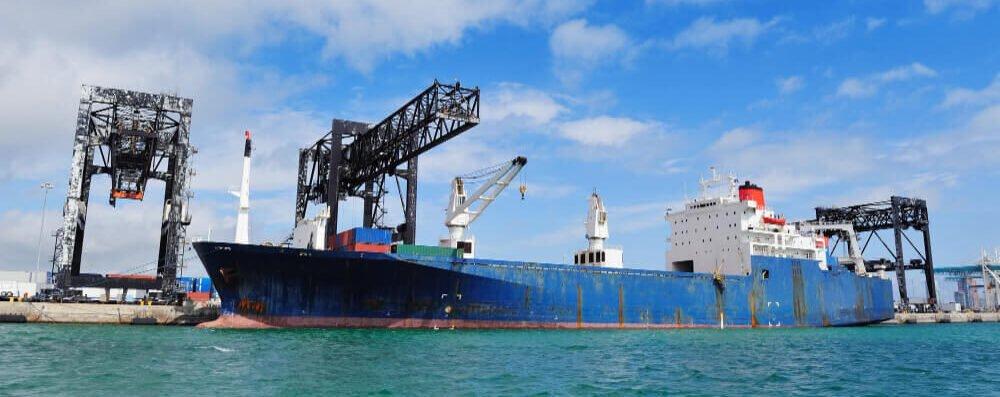
FOB (Free On Board) is an Incoterm used only for sea and inland waterway transport. Under FOB, the seller is responsible for delivering the goods on board the ship nominated by the buyer. Once the cargo crosses the ship’s rail at the port of departure, risk and responsibility transfer to the buyer.
In simple terms:
- Seller handles everything up to and including loading the cargo onto the ship
- Buyer takes over from there: freight, insurance, import clearance, and delivery
Key Responsibilities Under FOB
Here’s how the tasks are divided:
Seller’s Responsibilities:
- Pack and prepare goods for export
- Handle export documentation and clearance
- Transport goods to port and load them onto the ship
Buyer’s Responsibilities:
- Nominate the vessel
- Pay for ocean freight
- Arrange cargo insurance
- Handle import customs clearance and inland delivery
Once the goods are safely on board, the buyer assumes all risk.
When Should You Use FOB?
FOB is a great choice when both parties want clear handoff at the port, especially for full container load (FCL) or general cargo shipped via sea.
Use FOB when:
- You’re using sea freight
- The buyer wants control over ocean freight but not pre-shipment steps
- The seller has easy access to the port and knows local logistics
It’s not suitable for air freight or containerized cargo via third-party terminals—in those cases, use FCA (Free Carrier) instead.
Pros and Cons of FOB
Let’s look at the benefits and potential drawbacks:
Advantages for Sellers:
- Responsibility ends once cargo is on board
- Export process is clear and manageable
Advantages for Buyers:
- Control over freight carrier, route, and insurance
- Transparency on shipping costs
Challenges:
- Requires good communication for vessel nomination and loading timelines
- Not suitable for containerized cargo handled off-port
Common Misconceptions About FOB
“FOB works for air or road transport.”
→ Incorrect. FOB is valid only for sea and inland waterway shipping.
“FOB includes freight charges.”
→ No. The buyer pays for ocean freight under FOB. Seller’s job ends at loading.
“FOB is best for containers.”
→ Not always. For container cargo, FCA is often more appropriate, especially when goods are delivered to a terminal, not directly to the ship.
How FOB Compares to Other Incoterms
Incoterm | Seller Responsibility | Buyer Responsibility | Best For |
|---|---|---|---|
FOB | Export + load onto ship | Ocean freight, insurance, import | Sea freight with clear port handoff |
FAS | Export + dockside delivery | Loading, shipping, import duties | Breakbulk or bulk sea shipments |
CIF | Export + shipping + insurance | Import customs + delivery | Buyers wanting all-inclusive sea freight |
How SailOn Logistics Supports FOB Shipments
While FOB simplifies risk handover, executing it smoothly requires logistics precision—especially at the port. That’s where SailOn Logistics steps in.
Here’s how we make FOB stress-free:
- Coordination with shipping lines and terminal operators
- Timely transport and secure loading onto buyer-nominated vessels
- Accurate export documentation and customs clearance
- Freight booking support (if needed)
- Real-time shipment tracking and proactive communication
With SailOn, your FOB shipments move without delays or handoff hiccups—keeping your supply chain running smoothly.
Final Thoughts
FOB remains a popular Incoterm because it strikes a good balance: sellers handle export, buyers manage freight and beyond. But it only works well when both sides understand their roles and coordinate effectively.
If you’re unsure whether FOB is the right choice—or need help handling sea freight logistics—SailOn Logistics is here to help.
Get in touch today and let’s make your international shipping smarter, safer, and smoother.